

Why Is My Dog Always Itching? 7 Root Causes Most Pet Parents Overlook
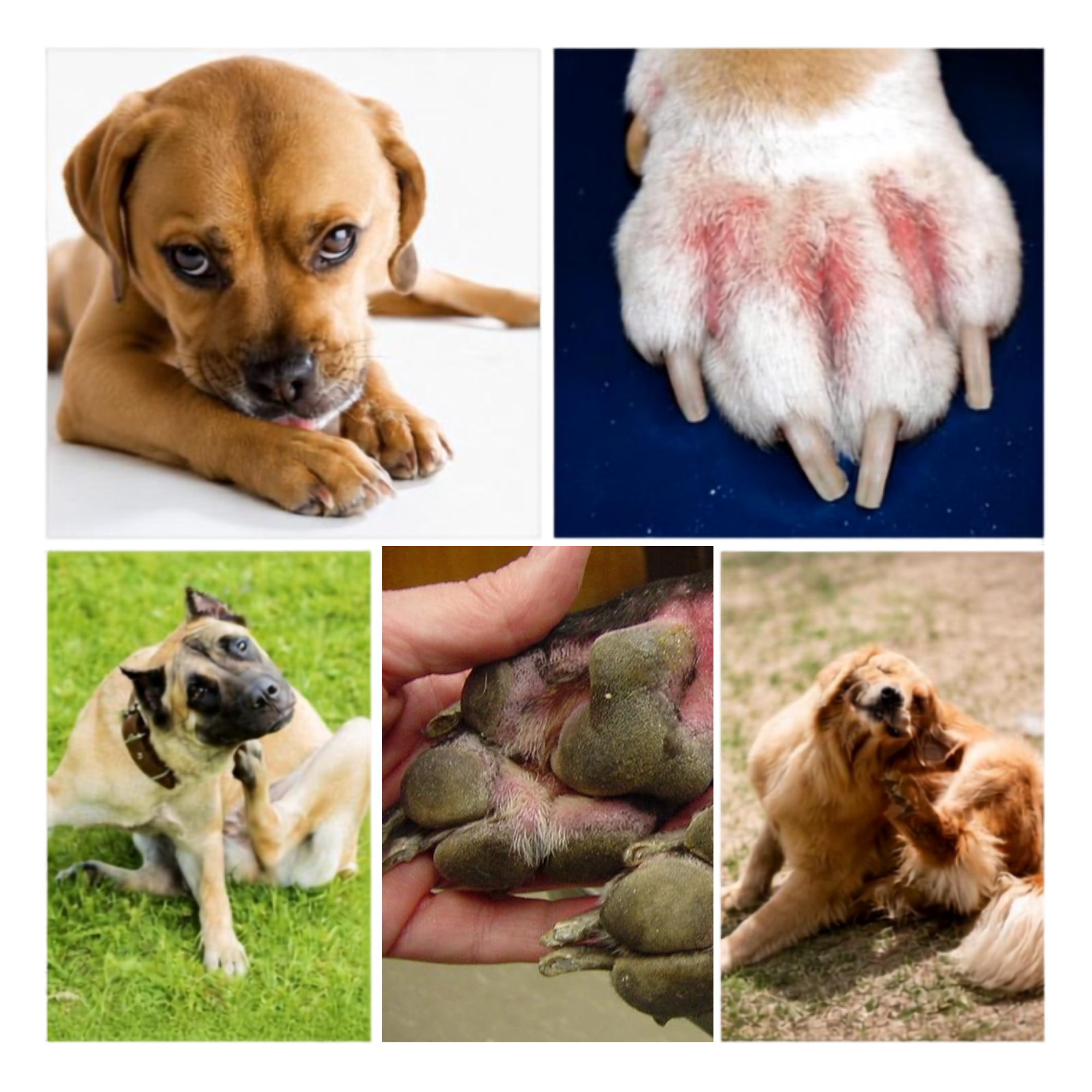
Why Is My Dog Always Itching? Root Causes & Support
Learn the common and overlooked causes of chronic itching in dogs, including allergies, immune dysregulation, nutrition, and skin barrier health.
If your dog is constantly scratching, licking their paws, developing ear infections, or experiencing recurring skin flare-ups, you're not alone.
Chronic itching is one of the most frustrating health challenges pet parents face because it often feels like no matter what you try, the problem never completely goes away.
You change foods.
You buy supplements.
You try medicated shampoos.
Maybe symptoms improve for a while.
Then the itching comes back.
The truth is that chronic itching is rarely just a skin problem. In many cases, the skin is acting as a messenger, signaling that something deeper in the body may need support.
In this article, we'll explore the most common causes of chronic itching in dogs, explain why symptom-only approaches often fall short, and discuss nutritional strategies that may help support healthier skin, immune function, and overall wellness.
Why Dogs Itch: Understanding the Bigger Picture
The skin is the body's largest organ and serves as one of its most important protective barriers.
Its job is to:
Keep harmful substances out
Prevent moisture loss
Support immune function
Protect against environmental stressors
When the skin barrier becomes compromised, dogs may become more vulnerable to irritation, inflammation, allergens, and chronic itching.
This is why lasting improvement often requires looking beyond the skin itself.
Environmental Allergies (Atopy)
Environmental allergies are among the most common causes of chronic itching in dogs.
Common triggers include:
Grass pollen
Tree pollen
Weeds
Mold spores
Dust mites
These allergens can be inhaled, absorbed through the skin, or enter through the digestive system.
Many dogs experience seasonal flare-ups, but over time symptoms can become year-round.
Research suggests that some dogs may have weakened skin barrier function, allowing allergens to penetrate more easily and trigger inflammatory responses.
Common signs include:
Paw licking
Face rubbing
Ear infections
Red skin
Seasonal itching
Interestingly, dogs with environmental allergies appear to have a significantly increased likelihood of also having food allergies.
Fleas, Ticks, and Other Pest Reactions
Sometimes it only takes one flea bite to create a major inflammatory response.
The itching itself is often caused by the immune system reacting to proteins found in flea saliva.
Signs may include:
Biting at the base of the tail
Sudden itching
Skin irritation
Hair loss
While topical prevention is important, supporting overall health and immune resilience may also play a role in helping pets better cope with environmental stressors.
Food Allergies and Food Sensitivities
Food-related reactions are another common contributor to chronic skin issues.
When a dog develops a food allergy, the immune system mistakenly identifies a food ingredient as a threat and launches an inflammatory response.
This can trigger:
Itching
Ear infections
Digestive upset
Skin redness
Recurring flare-ups
The most commonly reported food allergens in dogs include:
Beef
Chicken
Dairy
Wheat
Soy
Lamb
Corn
Fish
Rice
Food reactions can develop even after a dog has eaten the same ingredient for years.
Many dogs may also react to food additives, preservatives, colorings, and other highly processed ingredients.
Hidden Dietary Contributors: Fat Quality Matters
One commonly overlooked contributor to inflammation is fat quality.
While fats are essential for skin health, not all fat sources provide the same biological benefits.
Many commercial foods rely heavily on processed vegetable oils, including:
Canola oil
Soybean oil
Corn oil
These oils may help satisfy nutritional requirements, but they can contribute to an imbalance between Omega-6 and Omega-3 fatty acids.
Over time, excessive Omega-6 intake relative to Omega-3 intake may promote inflammatory signaling throughout the body.
For dogs dealing with chronic itching, evaluating fat quality can be just as important as evaluating protein ingredients.
Immune Dysregulation and Mast Cell Activation
This is one of the most overlooked contributors I see.
Normally, the immune system activates when needed and then returns to a balanced state.
Sometimes that doesn't happen.
Following a significant immune challenge, some dogs appear to remain stuck in a heightened state of reactivity.
One key player is the mast cell.
Mast cells release compounds such as:
Histamine
Cytokines
Inflammatory mediators
When these chemicals continue circulating, dogs may experience:
Persistent itching
Skin irritation
Increased sensitivity
Ongoing inflammation
In some cases, the body may continue behaving as though a threat is present even after the original trigger has resolved.
Why Symptom-Based Treatments Sometimes Fall Short
Many traditional approaches focus on reducing symptoms.
And symptom relief absolutely matters.
But when itching continues to return, it may be worth asking a different question:
What system in the body is struggling, and why?
Instead of focusing exclusively on suppressing symptoms, a more comprehensive strategy may include:
Supporting skin barrier function
Improving nutritional status
Reducing inflammatory burden
Supporting immune regulation
Identifying ongoing triggers
This shift in perspective often helps pet parents better understand why some dogs remain stuck in recurring itch cycles.
The Role of Nutrition in Skin Health
Nutrition provides the raw materials the body uses to:
Build skin tissue
Repair damage
Regulate inflammation
Support immune function
Maintain healthy barrier function
When these systems are under stress, nutritional demands often increase.
Protein: The Foundation of Healthy Skin
Nearly one-third of a dog's protein requirements support the skin and coat.
For dogs dealing with chronic inflammation, highly digestible, high-quality protein becomes especially important.
The body must be able to digest, absorb, and utilize those nutrients effectively.
Omega-3 Fatty Acids
Omega-3 fatty acids are among the most researched nutrients for skin support.
EPA and DHA—primarily found in marine sources—help support:
Healthy inflammatory responses
Skin barrier integrity
Immune function
Skin hydration
Sources include:
Salmon oil
Sardine oil
Anchovy oil
Krill oil
These forms are generally more biologically available than plant-based Omega-3 sources that require conversion within the body.
Vitamins and Minerals That Support Skin Health
Several micronutrients play important roles in maintaining healthy skin:
Zinc
Copper
Vitamin A
Vitamin E
B vitamins
Antioxidants
Polyphenols
These nutrients contribute to:
Skin repair
Cell turnover
Immune support
Coat quality
Tissue recovery
What Should You Do If Your Dog Is Constantly Itching?
The answer is rarely as simple as switching to a different food or adding another supplement.
Every dog is different.
Their:
Genetics
Environment
Diet history
Gut health
Immune function
Inflammatory burden
all influence the support they may need.
The most effective approach is often a systematic evaluation of:
Diet
Treats
Supplements
Fat quality
Environmental exposures
Pest exposure
Previous immune events
Overall inflammatory load
Sometimes small overlooked details are the exact thing keeping a dog stuck in a chronic itch cycle.
Frequently Asked Questions
Why is my dog itching but doesn't have fleas?
Environmental allergies, food sensitivities, immune dysregulation, skin barrier dysfunction, and inflammatory skin conditions can all cause itching even when fleas are not present.
What food ingredients commonly cause itching in dogs?
Beef, chicken, dairy, wheat, soy, lamb, corn, fish, and rice are among the most commonly reported food allergens in dogs.
Can poor nutrition cause skin problems in dogs?
Poor nutrient quality, inadequate Omega-3 intake, inflammatory fat sources, nutrient deficiencies, and digestive issues can all contribute to skin and coat problems.
What is the best supplement for an itchy dog?
There is no single supplement that works for every dog. The best strategy depends on the underlying cause and may involve Omega-3 fatty acids, nutritional support for skin barrier health, or targeted immune-support strategies.
How THRIVEnaturally Pet Wellness Can Help
If you've tried food changes, supplements, shampoos, medications, and you're still struggling to understand why your dog keeps itching, you're not alone.
My approach focuses on helping pet parents understand the bigger picture by evaluating diet, nutrition, inflammatory burden, environmental factors, and potential immune contributors.
Together, we can identify what your dog's body may be trying to communicate and develop a more personalized plan focused on supporting long-term wellness—not just managing symptoms.
Ready to get started?
✓ Download my Dog Food Decoder Guide

✓ Explore my curated skin and immune support resources
✓ Schedule a Nutritional Wellness Consultation
Because chronic itching is rarely just about the skin, and sometimes the biggest breakthrough comes from understanding the systems underneath it.