

Why Won't My Dog Eat? The Truth About "Picky Eaters" Most Pet Parents Miss
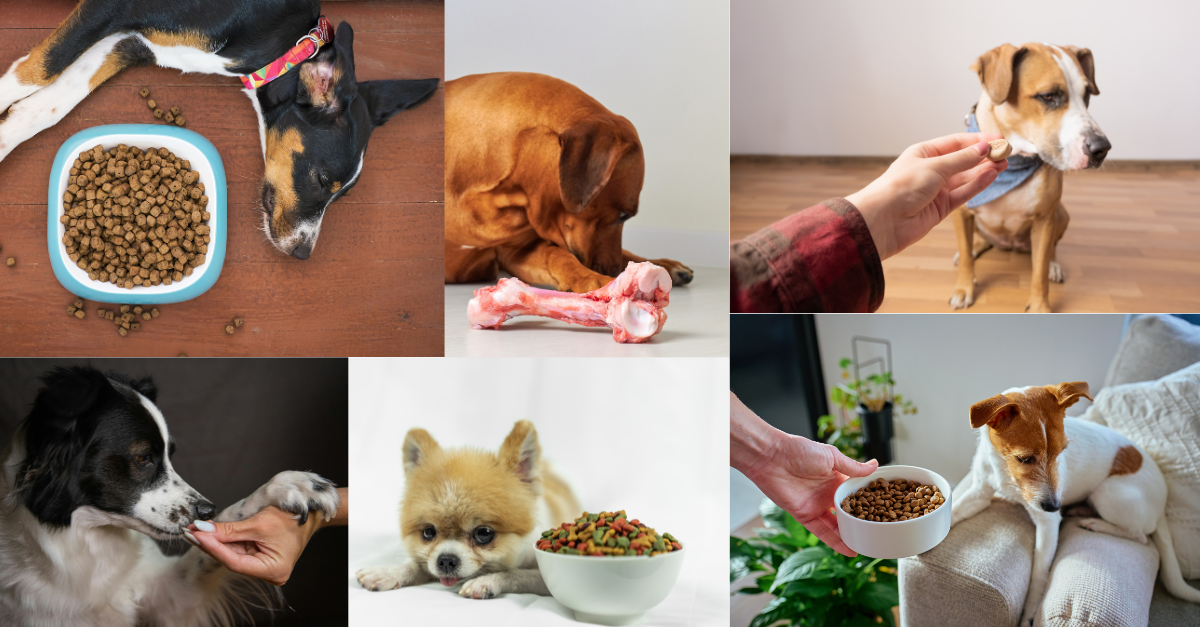
Why Won't My Dog Eat? Causes of Picky Eating in Dogs
Is your dog refusing food or acting like a picky eater? Learn the most common causes, from feeding habits and digestion to stress, dental issues, and appetite changes.
If your dog refuses meals, turns their nose up at food, only eats treats, or seems interested in food one day and not the next, it's easy to assume they're just being picky.
But here's the truth:
Most dogs aren't naturally picky eaters.
Dogs evolved as opportunistic feeders. Their ancestors survived by taking advantage of available food whenever they could find it. So when a dog consistently refuses food, it's often a signal that something else is going on.
Sometimes it's a learned behavior.
Sometimes it's a feeding routine issue.
Sometimes it's physical discomfort, digestive challenges, stress, or emotional changes in the home.
The key is understanding what your dog's appetite may be trying to tell you.
Are Dogs Actually Picky Eaters?
In my experience, true picky eating is far less common than most people think.
What often gets labeled as "pickiness" is actually one of three things:
1. Learned Feeding Behaviors
Dogs learn patterns remarkably quickly.
If skipping a meal results in something more exciting showing up in the bowl, your dog may learn that waiting produces a better outcome.
A common pattern looks like this:
Dog ignores food
Owner becomes concerned
New topper gets added
Dog eats
From the dog's perspective, a powerful lesson has been learned:
"If I wait, I get something better."
Over time, this can create a cycle where your dog appears increasingly selective about food choices.
2. Feeding Structure Problems
One of the first questions I ask is: How is the dog being fed?
Many dogs have food available all day through free feeding.
While convenient, free feeding can sometimes reduce appetite because it removes the natural cycle of hunger and satisfaction.
When food is always available:
Hunger cues become weaker
Mealtime loses significance
Dogs may graze rather than eat purposefully
Food becomes less motivating
A dog that never experiences true hunger often becomes a dog who seems uninterested in eating.
3. Physical or Emotional Factors
Sometimes a reduced appetite is the body's way of communicating that something isn't quite right.
This could include:
Dental discomfort
Digestive issues
Stress
Environmental changes
Illness
Emotional dysregulation
In these situations, the food itself may not be the problem.
The dog's overall state may be influencing appetite.
Why Free Feeding Can Create Appetite Problems
Many pet parents are surprised to learn how much feeding structure affects eating behavior.
Dogs thrive on predictable rhythms.
When food sits out all day:
Mealtimes lose importance
Appetite becomes inconsistent
Food loses novelty
Dogs learn they can eat whenever they want
This often leads owners to believe the dog dislikes the food when the real issue may simply be a lack of feeding structure.
For many dogs, moving to scheduled meals creates noticeable improvements in appetite and enthusiasm around food.
How We Accidentally Teach Dogs to Become "Picky"
One of the most common patterns I see involves constant food modifications.
A dog skips breakfast.
A topper gets added.
The dog eats.
The next day, the topper is required again.
Soon the dog begins waiting for upgrades before eating.
This can lead to:
Frequent food switching
Dependence on toppers
Hand feeding
Constant menu changes
Growing frustration for the pet parent
Consistency tends to build appetite.
Constant negotiation often builds resistance.
Hidden Dental Issues That Mimic Pickiness
Dental discomfort is one of the most overlooked causes of appetite changes.
Dogs are exceptionally good at hiding pain.
Signs may include:
Hesitating before eating
Eating slowly
Preferring soft foods
Dropping food
Selective eating
Refusing meals entirely
Many dogs continue acting normally despite significant dental discomfort.
If your dog's eating habits change suddenly, it may be worth having their mouth and teeth evaluated by your veterinarian.
Digestion Plays a Bigger Role Than Most People Realize
Dogs process food differently than humans.
While we begin digestion primarily through chewing, dogs are designed to tear, swallow, and break food down largely within the stomach.
This means digestive efficiency becomes incredibly important.
When digestion is struggling, dogs may experience:
Reduced appetite
Food avoidance
Discomfort after eating
Changes in stool quality
Increased gas
Nausea-like behaviors
Sometimes the issue isn't that a dog dislikes the food.
Sometimes their body simply isn't processing it comfortably.
The Emotional Side of Appetite: A Story I'll Never Forget
One case completely changed how I think about "picky eaters."
A dog had almost completely lost interest in food.
The owner had tried everything.
New foods.
New treats.
New feeding strategies.
Nothing worked.
As we looked deeper, a much larger picture emerged.
The owner was undergoing cancer treatment.
The emotional environment of the home had changed dramatically.
Stress.
Uncertainty.
Fear.
Disrupted routines.
Dogs are incredibly sensitive to the emotional state of their environment.
In this case, the dog wasn't being stubborn.
The dog was dysregulated.
Instead of changing the food again, we focused on:
Calm feeding routines
Predictable structure
Reduced pressure around meals
Restoring a sense of safety
Over time, appetite gradually returned.
The food wasn't the primary issue.
The environment was.
Appetite Is a Health Signal
Appetite reflects far more than food preference.
It can be influenced by:
Digestion
Metabolism
Stress levels
Nervous system regulation
Pain
Environmental factors
Overall wellness
When a dog stops eating consistently, it's often worth asking:
"What is this behavior trying to tell me?"
Instead of immediately searching for a new food, consider the bigger picture.
How to Help a Dog Who Won't Eat
If your dog has been labeled a picky eater, start with these foundational steps:
Establish Structured Feeding
Offer meals at consistent times.
Allow approximately 10–20 minutes for eating.
Then remove the bowl until the next meal.
Evaluate Extras
Treats count.
Chews count.
Table scraps count.
Training rewards count.
Everything your dog consumes influences appetite.
Stop Constant Food Upgrades
Frequent food changes can unintentionally reinforce selective eating patterns.
Consistency often produces better long-term results.
Create Calm Feeding Experiences
Avoid pressure.
Avoid coaxing.
Avoid turning meals into negotiations.
Instead, focus on predictability and routine.
Rule Out Physical Causes
If appetite changes are sudden, persistent, or accompanied by other symptoms, consult your veterinarian to rule out underlying medical concerns.
Frequently Asked Questions
Why won't my dog eat but will eat treats?
This often indicates a learned feeding pattern where treats have become more rewarding than meals, though medical causes should also be considered.
How long can a dog go without eating?
The answer depends on age, health status, and individual circumstances. Persistent appetite loss should always be discussed with your veterinarian.
Is free feeding bad for dogs?
Not necessarily. Some dogs do well with free feeding. However, dogs struggling with appetite issues often benefit from structured meal times.
Why did my dog suddenly stop eating?
Possible causes include stress, illness, dental discomfort, digestive issues, environmental changes, medication side effects, or feeding routine changes.
Need Help Understanding What's Affecting Your Dog's Appetite?
If your dog isn't eating consistently, it may be helpful to evaluate the full picture. Not just the food itself.
Food choices, feeding schedules, treats, supplements, digestive health, stress, environmental changes, and daily routines can all influence appetite.
I've created a short questionnaire based on my nutritional assessment process to help identify patterns that may be affecting your dog's eating habits and overall wellness.
Because when appetite changes, your dog's body may be trying to tell you something important.